

As a supplier of the MET Series, I'm often asked whether these advanced tensioners can be connected to the Internet. In this blog post, I'll delve into this topic, exploring the capabilities, benefits, and considerations of Internet connectivity for the MET Series.
Understanding the MET Series
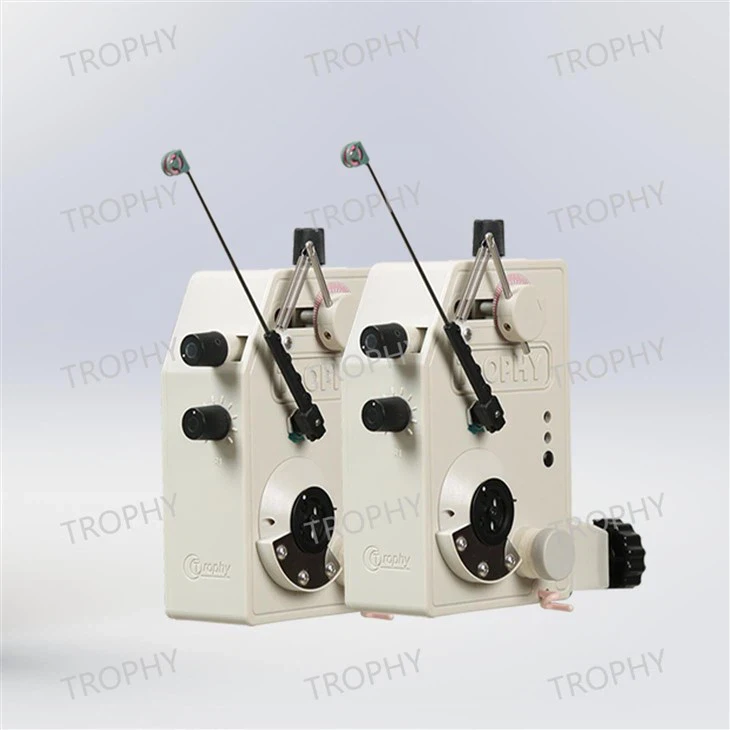
Before we discuss Internet connectivity, let's briefly introduce the MET Series. The MET Series is a line of high - performance electronic tensioners known for their precision, reliability, and versatility. It includes sub - series such as the MET - HE Series and the MET - B Series, each designed to meet specific industrial needs.
The MET - HE Series, for example, is engineered for heavy - duty applications where high tension forces are required. It features advanced control algorithms that ensure accurate tensioning, even in the most demanding environments. On the other hand, the MET - B Series is more suitable for applications that demand a balance between performance and cost - effectiveness. These tensioners are widely used in industries such as automotive, aerospace, and manufacturing, where precise tension control is crucial for product quality and safety.
Internet Connectivity Capabilities of the MET Series
The short answer is yes, the MET Series can be connected to the Internet. Thanks to modern technological advancements, these tensioners are equipped with the necessary hardware and software to support Internet connectivity. This connectivity is made possible through built - in Ethernet ports, Wi - Fi modules, or other communication interfaces.
When connected to the Internet, the MET Series tensioners can communicate with other devices, systems, or platforms. For instance, they can send real - time data about tension levels, operating conditions, and maintenance status to a central server or a cloud - based platform. This data can be accessed remotely by operators, engineers, or managers, allowing them to monitor the performance of the tensioners from anywhere in the world.

Benefits of Internet Connectivity for the MET Series
Remote Monitoring and Control
One of the most significant benefits of Internet connectivity is remote monitoring and control. With a web - based interface or a mobile application, users can access the tensioners' data and settings from their computers or smartphones. This means that they can check the current tension levels, adjust the tensioning parameters, and receive alerts in case of any异常 conditions without being physically present at the site.
For example, in a large manufacturing plant with multiple MET Series tensioners installed, a maintenance engineer can use a mobile app to monitor the health of all the tensioners simultaneously. If a tensioner reports an abnormal increase in temperature or a drop in tension, the engineer can immediately receive an alert and take appropriate action, such as scheduling maintenance or adjusting the tensioning process.
Predictive Maintenance
Internet - connected MET Series tensioners can also enable predictive maintenance. By continuously collecting and analyzing data about the tensioners' performance, it is possible to identify patterns and trends that indicate potential problems. For example, if the tensioner's motor current starts to increase gradually over time, it could be a sign of a worn - out bearing or a misaligned belt.
Using machine learning algorithms, the system can predict when a component is likely to fail and schedule maintenance before a breakdown occurs. This not only reduces downtime but also saves costs associated with emergency repairs and replacement parts.
Data Analytics and Process Optimization
The data collected from the Internet - connected MET Series tensioners can be used for in - depth data analytics. By analyzing the tensioning data over time, manufacturers can identify opportunities for process optimization. For example, they can determine the optimal tensioning parameters for different types of materials or products, which can lead to improved product quality and reduced waste.
In addition, data analytics can help in benchmarking the performance of different tensioners within a plant or across multiple plants. This allows companies to identify best practices and implement them across the organization, leading to increased efficiency and competitiveness.
Considerations for Internet Connectivity
While the benefits of Internet connectivity for the MET Series are significant, there are also some considerations that need to be taken into account.
Security
Security is a major concern when it comes to Internet - connected devices. The MET Series tensioners store and transmit sensitive data, such as tensioning parameters and production data. Therefore, it is essential to implement robust security measures to protect this data from unauthorized access, hacking, or cyber - attacks.
This includes using encryption technologies to secure data transmission, implementing user authentication and access control mechanisms, and regularly updating the tensioners' firmware to patch any security vulnerabilities.
Network Reliability
The performance of the Internet - connected MET Series tensioners depends on the reliability of the network. In a manufacturing environment, where there may be interference from other electronic devices or a large number of users competing for bandwidth, network outages or slow speeds can disrupt the communication between the tensioners and the central server.
To mitigate this risk, it is recommended to use a dedicated network for the MET Series tensioners or implement redundant network connections. For example, a combination of Wi - Fi and Ethernet connections can be used to ensure that the tensioners can stay connected even if one network fails.
Compatibility and Integration
When integrating the Internet - connected MET Series tensioners into an existing industrial network or system, compatibility can be an issue. The tensioners need to be compatible with the network infrastructure, the communication protocols, and the software applications used in the plant.
Before implementing Internet connectivity, it is important to conduct a thorough compatibility assessment and ensure that all the necessary hardware and software components are properly configured and integrated.
How to Connect the MET Series to the Internet
Connecting the MET Series to the Internet is a relatively straightforward process. Here are the general steps:
- Check the Hardware: Ensure that the MET Series tensioner is equipped with the necessary communication interfaces, such as an Ethernet port or a Wi - Fi module. If not, you may need to install an appropriate communication adapter.
- Configure the Network Settings: Use the tensioner's built - in configuration menu or a dedicated configuration tool to set up the network settings. This includes entering the IP address, subnet mask, gateway, and Wi - Fi credentials (if applicable).
- Connect to the Internet: Once the network settings are configured, connect the tensioner to the Internet using an Ethernet cable or by connecting to a Wi - Fi network.
- Register and Configure the Cloud or Server Connection: If you plan to use a cloud - based platform or a central server to store and manage the tensioner data, you need to register the tensioner with the platform and configure the connection settings. This may involve creating an account, entering authentication credentials, and specifying the data transfer protocols.
Conclusion
In conclusion, the MET Series can indeed be connected to the Internet, offering a range of benefits such as remote monitoring and control, predictive maintenance, and data analytics. However, it is important to consider the security, network reliability, and compatibility issues when implementing Internet connectivity.
As a supplier of the MET Series, we are committed to providing our customers with the support and expertise they need to successfully integrate these tensioners into their Internet - enabled industrial systems. If you are interested in learning more about the Internet connectivity capabilities of the MET Series or have any questions about our products, please feel free to contact us for further discussion and potential procurement.
References
- MET Series Product Manual
- Industrial Internet of Things: Technologies and Applications, edited by Li Daqing, published by Springer.
- Predictive Maintenance in Manufacturing: Concepts, Techniques, and Applications, by Thomas R. Griggs, published by CRC Press.