

When it comes to greenhouse management, one often overlooked aspect is the choice of components for greenhouse curtains. As an eyelets supplier, I've been frequently asked whether eyelets can be used on a greenhouse curtain. In this blog, I'll delve into this question, exploring the feasibility, benefits, and considerations of using eyelets in greenhouse curtain applications.
Feasibility of Using Eyelets on Greenhouse Curtains
Eyelets, also known as grommets, are small metal or plastic rings inserted into a hole in a fabric or other material to reinforce it and prevent tearing. They are commonly used in various applications, such as clothing, bags, and tents. But can they be used on greenhouse curtains? The answer is a resounding yes.
Greenhouse curtains are typically made of fabric or other flexible materials that need to be hung or attached to a structure. Eyelets provide a convenient and effective way to attach the curtains to the greenhouse framework. By inserting eyelets along the top edge of the curtain, you can easily thread a rope, wire, or rod through them and hang the curtain securely. This method allows for easy installation, removal, and adjustment of the curtain, making it a practical choice for greenhouse owners.

Benefits of Using Eyelets on Greenhouse Curtains
1. Durability
One of the primary benefits of using eyelets on greenhouse curtains is their durability. The metal or plastic rings reinforce the holes in the curtain, preventing them from tearing or fraying over time. This is especially important in a greenhouse environment, where the curtains may be exposed to high winds, heavy rain, and other harsh weather conditions. By using eyelets, you can ensure that your greenhouse curtains last longer and maintain their functionality.
2. Easy Installation and Adjustment
Eyelets make it easy to install and adjust greenhouse curtains. You can simply thread a rope, wire, or rod through the eyelets and hang the curtain on the greenhouse framework. If you need to adjust the position of the curtain, you can easily move it up or down by sliding the rope or rod through the eyelets. This flexibility allows you to customize the amount of light and ventilation in your greenhouse, depending on the needs of your plants.
3. Versatility
Eyelets are available in a variety of sizes, materials, and finishes, making them a versatile choice for greenhouse curtains. You can choose eyelets that match the color and style of your curtain, as well as the overall design of your greenhouse. Additionally, eyelets can be used with different types of ropes, wires, and rods, allowing you to create a customized hanging system that meets your specific requirements.
4. Compatibility with Other Components
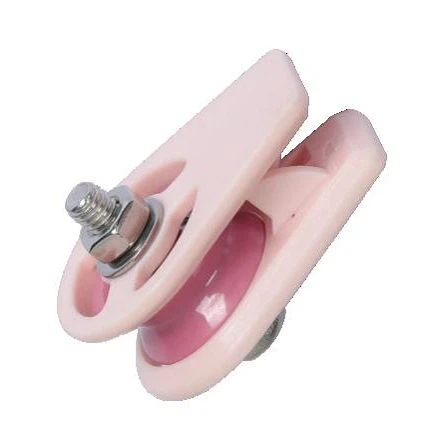
Eyelets can be used in conjunction with other components to enhance the functionality of your greenhouse curtains. For example, you can use Ceramic Roller to guide the rope or wire through the eyelets, reducing friction and ensuring smooth operation. You can also use Ceramic Wire Pulley with Plastic Flange to change the direction of the rope or wire, allowing you to hang the curtain in a more convenient location. And if you're concerned about the rope or wire jumping out of the pulley, you can use a Wire Jump Preventer to keep it in place.
Considerations When Using Eyelets on Greenhouse Curtains
1. Material Selection
When choosing eyelets for your greenhouse curtains, it's important to consider the material of the curtain and the environment in which it will be used. For example, if your curtain is made of a heavy-duty fabric, you may need to use larger and stronger eyelets to ensure they can support the weight of the curtain. Additionally, if your greenhouse is located in an area with high humidity or saltwater exposure, you may need to choose eyelets made of corrosion-resistant materials, such as stainless steel or brass.
2. Hole Size and Spacing
The size and spacing of the holes in the curtain are also important considerations when using eyelets. The holes should be large enough to accommodate the eyelets, but not so large that they weaken the fabric. Additionally, the spacing between the holes should be consistent to ensure that the curtain hangs evenly. It's a good idea to measure the curtain and mark the locations of the holes before inserting the eyelets to ensure accuracy.
3. Installation Method
The installation method of the eyelets can also affect their performance. It's important to follow the manufacturer's instructions carefully when installing the eyelets to ensure they are inserted correctly and securely. If the eyelets are not installed properly, they may come loose or fall out, which can cause the curtain to tear or become damaged.
Conclusion
In conclusion, eyelets can be a great choice for greenhouse curtains. They offer a durable, easy-to-install, and versatile solution for hanging and adjusting the curtains. By using eyelets, you can ensure that your greenhouse curtains last longer, maintain their functionality, and provide the right amount of light and ventilation for your plants. However, it's important to consider the material selection, hole size and spacing, and installation method when using eyelets to ensure they work effectively.
If you're interested in using eyelets for your greenhouse curtains or have any questions about our products, please don't hesitate to contact us. We're a leading eyelets supplier, and we're committed to providing high-quality products and excellent customer service. We look forward to hearing from you and helping you find the right eyelets for your greenhouse needs.
References
- "Greenhouse Curtain Systems: A Guide to Selection and Installation." Greenhouse Management, [Publication Date].
- "The Benefits of Using Eyelets in Greenhouse Applications." Horticulture Today, [Publication Date].
- "Choosing the Right Eyelets for Your Greenhouse Curtains." Gardening Tips and Tricks, [Publication Date].